Facebook is a crucial platform for building communities and brands. Administrators and marketers often focus on two key metrics: Facebook page likes and followers. At first glance, likes and followers seem similar because they both represent user interest in a page. However, in reality, they have different meanings and different impacts on the effectiveness of a page's communication. Understanding the difference between likes and followers will help you build a more effective Facebook page management strategy, optimizing interaction and reaching your target audience. This article from SOC LUA will analyze these two metrics in detail and compare Facebook page likes vs followers.
The difference between Facebook page likes and followers
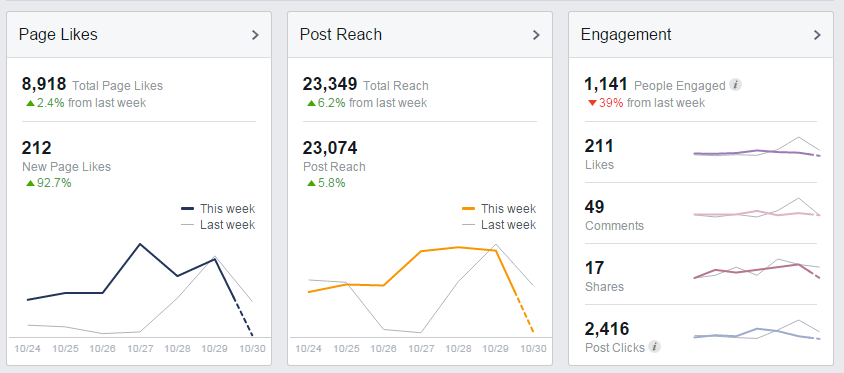
On Facebook, page likes indicate the number of people who have clicked the "Like" button on your page. This is seen as a public endorsement or initial interest from users in the brand or content on the page. When someone likes a page, their name may appear on that page as a sign of their positive feelings towards the brand. However, it's important to note that liking a page doesn't guarantee they'll see the page's posts in their News Feed. In fact, many Facebook users may unfollow a page after liking it, meaning they will no longer receive new posts from the page. Because Facebook's algorithm increasingly prioritizes content for those who are genuinely interacting, likes are becoming a mere number if not accompanied by consistent user engagement. Many experts consider likes a "virtual metric"—an impressive number that doesn't reflect the quality of interaction or actual effectiveness.
Conversely, Facebook followers represent the number of users who subscribe to receive updates from a page. When someone becomes a follower, they follow the page's posts and content, meaning new posts from the page have a higher chance of appearing in their News Feed. Followers can include people who have liked the page or people who choose to follow without liking it.
A Facebook user can follow a fan page without liking it, and conversely, they can like the page but unfollow the content. Therefore, these two numbers often don't match, and in reality, the number of followers is usually higher than the number of likes (or vice versa, depending on the specific case). However, likes represent support, while followers show who actually views your content. Therefore, in reports and communication strategies, the number of Facebook followers is often considered a more important metric for assessing the actual size of a page.
What is the significance of Facebook page likes in a marketing strategy?
Although the importance of likes has decreased compared to the past, Facebook page likes still play a significant role in communication strategy, especially in terms of brand image and credibility. First, a page with a high number of likes creates a more professional and trustworthy impression in the eyes of new users. The number of likes indicates that the page's content or products have attracted considerable attention. New users visiting a fan page tend to assess its credibility based on the number of likes and followers. For example, a local business with 50,000 likes will certainly inspire more trust than a page with only a few hundred likes. For businesses, a high number of likes can reassure potential customers when deciding to purchase goods or services. In other words, likes contribute to building initial brand credibility and create a positive psychological effect.
Furthermore, while page likes no longer directly determine post visibility as they once did, they still offer some indirect benefits. A page with many likes may be favored by Facebook in internal search results or suggested to users with similar interests, thus increasing brand awareness on the platform. Likes also often come with users seeing content their friends have liked (through friend activity notifications), helping to spread the page's presence. Moreover, in Facebook advertising, businesses can create custom audiences of people who have liked the page, or create similar audiences based on the characteristics of the group that has liked or followed that page. These audiences are useful for running targeted ads. In short, Facebook page likes remain a metric that contributes to building brand image and an initial community for the page, making it appear more "trustworthy" and partially supporting marketing activities (such as advertising and internal SEO on Facebook).
However, it's important to emphasize that likes are no longer the most crucial factor determining success on Facebook. In the context of Facebook's algorithm prioritizing "quality" over "quantity," a page with tens of thousands of likes but few engaged followers will typically have very low organic reach. Many fake or uninterested likes can even drag down engagement rates, negatively impacting the page's post distribution.
Therefore, you shouldn't chase quantity over quality. High likes look good, but they need to be evaluated in parallel with the number of followers and the actual level of engagement. Likes should be considered part of the overall picture, playing a role in building credibility and recognition, but they cannot replace genuine interaction from loyal followers.
Why are followers more important for engagement?
In today's Facebook ecosystem, page followers are considered a more valuable asset than likes. This is because followers are the people who see and interact with your content most frequently. When someone follows a page, Facebook understands that they are interested in the page's content, and therefore the algorithm prioritizes displaying the page's posts to that person on their News Feed (especially if they have a good interaction history with the page). In other words, followers are the page's true audience – people who actively receive information, interact, and spread the word about the content. Therefore, 100 high-quality, regularly interacting followers are worth more than 1,000 superficial likes, because an active follower group will increase the page's reach and credibility much more effectively.
One clear benefit of having a large following is that the page's organic reach is expanded. Every time you post, your followers have a chance to see it, and if they interact, the post can spread to their friends, creating a network effect. Therefore, increase in Facebook followers on a websiteoften leads to increased engagement and reach. Statistics show that Facebook only distributes a small percentage of posts to people who have liked or followed a page. Therefore, the more active followers you have, the higher the number of people who actually see your posts. Loyal followers are also often the most likely to become enthusiastic customers or partners. They follow out of interest, making them more likely to convert into users of your services, purchase your products, or become long-term brand advocates. Conversely, those who only like a page may not remember the brand when they need a product/service.
Your Facebook page might have fewer likes than others, but if you have more followers, the communication effectiveness is still much higher. This explains why many pages now focus on strategies to increase followers rather than chasing likes. In fact, Facebook has also realized that likes aren't necessarily a true audience. If your goal is to build a engaged community and achieve business results from Facebook, focus your attention on nurturing and growing your followers – this is the core audience that brings long-term value to your page.
Effective strategies for managing and growing likes and followers
To build an optimal strategy for effectively managing these two metrics, Sóc Lửa will provide some guidance and advice to help you sustainably grow Facebook page likes and followers, while also making good use of them in your communication strategy:
- Focus on attracting quality followers: Orient your activities towards increasing the number of followers who are genuinely interested in your content. Instead of trying to get more likes, encourage visitors to subscribe to your page. You can use calls to action (CTAs) on posts, websites, or emails to invite users to subscribe to your page and click the “Follow” button when they find your content useful. A voluntary follower is usually worth much more than a regular like. When promoting your page, emphasize the benefits of following (e.g., “Follow our page for weekly deals”). Additionally, you need to identify the right target audience – those who are genuinely interested in your page's content – to focus on attracting them to become loyal followers.
- Prioritize high-quality, engaging content: Content is the core element in retaining followers and converting likes into followers. Build a consistent content strategy that delivers value to viewers (whether it's useful knowledge, entertainment, or special offers). Engaging posts will keep users on your page longer and encourage them to follow you to avoid missing out on information. Diversify your content formats (articles, images, videos, livestreams, infographics,...) to create novelty and attract attention. Encourage interaction by asking questions, creating mini-games, polls, or asking for shared experiences. The more comments, shares, and likes your content receives, the more Facebook will prioritize its distribution, helping you reach more potential followers. Remember, the goal isn't just to increase the number of followers, but to build a vibrant, interactive community around your page.
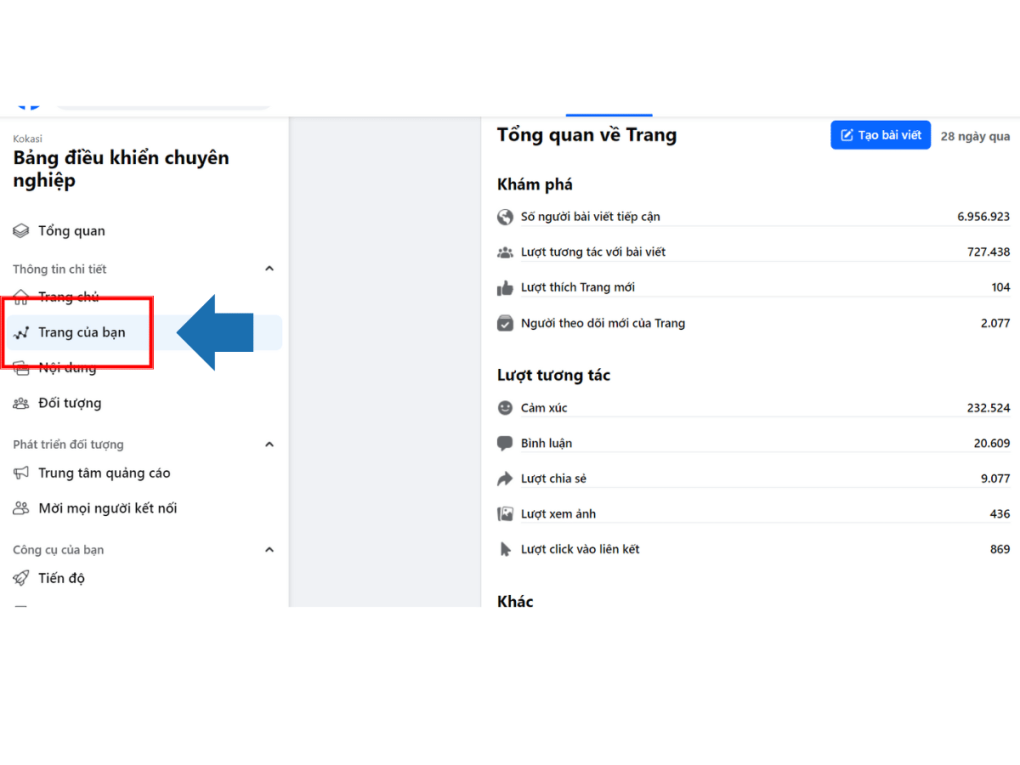
- Leveraging Facebook's advertising and tools effectively: For businesses and marketers, Facebook Ads is a powerful tool for both promoting content and increasing likes and followers. You can run Page Like Ads campaigns targeting audiences with relevant interests, or run engagement ads to attract followers after they interact with your posts. A helpful tip is to use Custom Audiences consisting of people who have interacted with your page (liked, watched videos, messaged, etc.) and then create Lookalike Audiences from this group to find new followers with similar characteristics. Additionally, regularly monitor your page's Insights – the statistics Facebook provides – to understand when posts are most effective, what types of content attract the most followers, and adjust your content/ads strategy accordingly. Advertising is only truly effective when it targets people who are likely to become long-term followers, so don't waste your budget on likes that have no value. Focus on quality over quantity and use advertising as a supporting tool, not the ultimate goal.
- Interacting and building relationships with users: Once you have a certain number of followers, nurturing them is crucial for maintaining and growing your page. Make sure you respond to follower comments and messages quickly and kindly. Occasionally organize activities like livestreams or follower appreciation events to create engagement. When followers feel heard, they are more likely to support the page enthusiastically, recommend it to friends, and even create content to spread brand awareness. This engagement not only retains existing followers but also sends a positive signal to Facebook's algorithm, helping the page reach new users naturally.
Frequently Asked Questions
Previously, when someone liked a page, they automatically followed it. However, that person can unfollow after liking it. Therefore, not everyone who liked a page would continue to see your content. In the new Facebook interface, the "Like" button is gone; users only have the "Follow" option. So, from now on, the concept of liking a page is no longer separate – anyone who follows is considered interested in the page.
Facebook is changing how it displays information. Starting in 2021, Facebook began removing the "Like" button from pages, only showing the "Follow" button to simplify interaction. Currently, many fan pages only publicly display the number of followers, while the number of page likes is no longer emphasized. According to the latest Meta update, page likes will be completely removed by the end of 2025. This means that in the long run, administrators will only need to focus on the number of followers. If your page still displays likes, it may be because you haven't switched to the new interface or Facebook hasn't updated that page yet, but the general trend is that followers will completely replace likes.